Exploring Alternative Fuels In Our Fleet
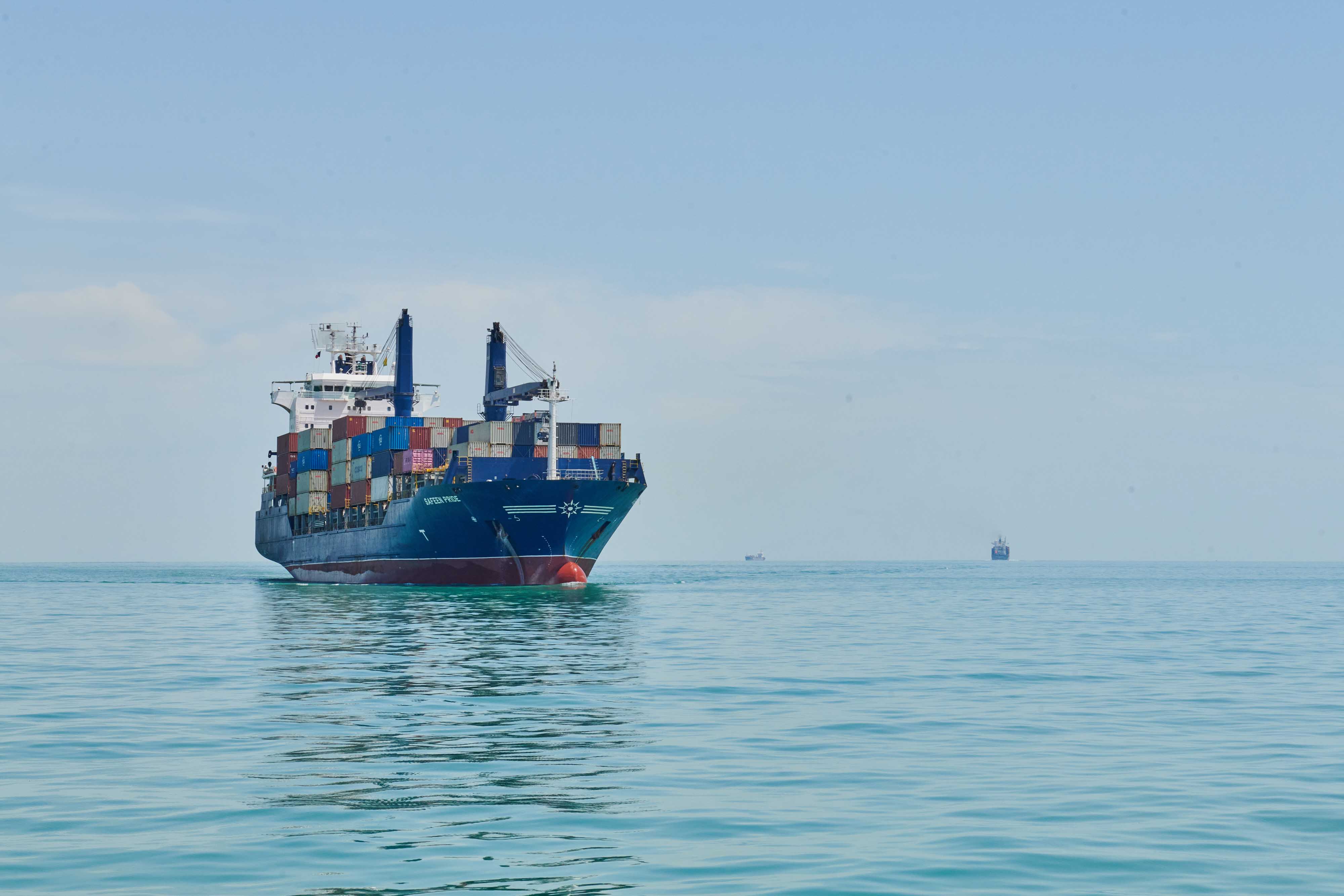
Exploring Alternative Fuels In Our Fleet
We are exploring hybrid vessels that utilise dual fuel, hydrogen, or Methanol systems for tugs and converting existing tugs to greener fuels. Following the International Maritime Organisation’s (IMO) approval, integrating B20 biodiesel fuel into some of our container vessels has significantly reduced their carbon footprint.
Additionally, trials with B20M Very Low Sulphur Fuel Oil on our feeder vessels have demonstrated promising emission reductions. Our concerted efforts in biofuel implementation consistently yield positive performance and emission reduction results, underscoring a pivotal advancement in sustainable maritime solutions.
SAFEEN Green - Unmanned Survey Vessel
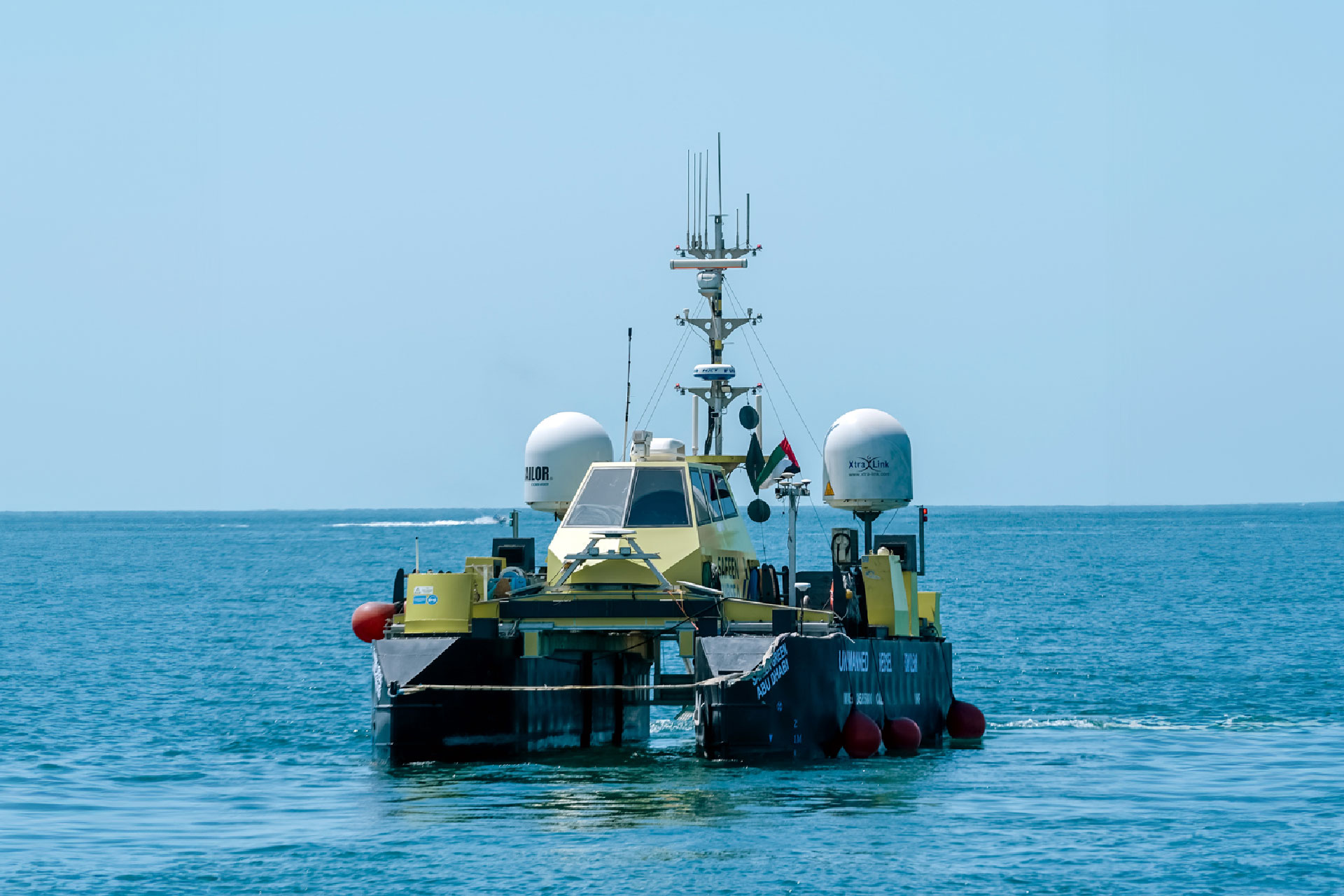
SAFEEN Green - Unmanned Survey Vessel
We have currently deployed in our subsea division fleet an advanced unmanned survey vessel (USV), SAFEEN Green, poised to redefine marine surveys and inspections. Commanded from an onshore Remote Operations Centre (ROC) and powered by 100% renewable electric energy or biofuel, SAFEEN Green emits 10% of the emissions of conventional vessels, minimising environmental impact.
Its unmanned operation framework ensures enhanced safety, augmented by dual autopilots, redundant HD cameras, and comprehensive monitoring systems. This cutting-edge vessel operates up to 200 nautical miles offshore, delivering premium geophysical and hydrographic data according to commercial standards while prioritising operational efficiency and environmental sustainability.
The First Ever Electric Tug In The Middle East
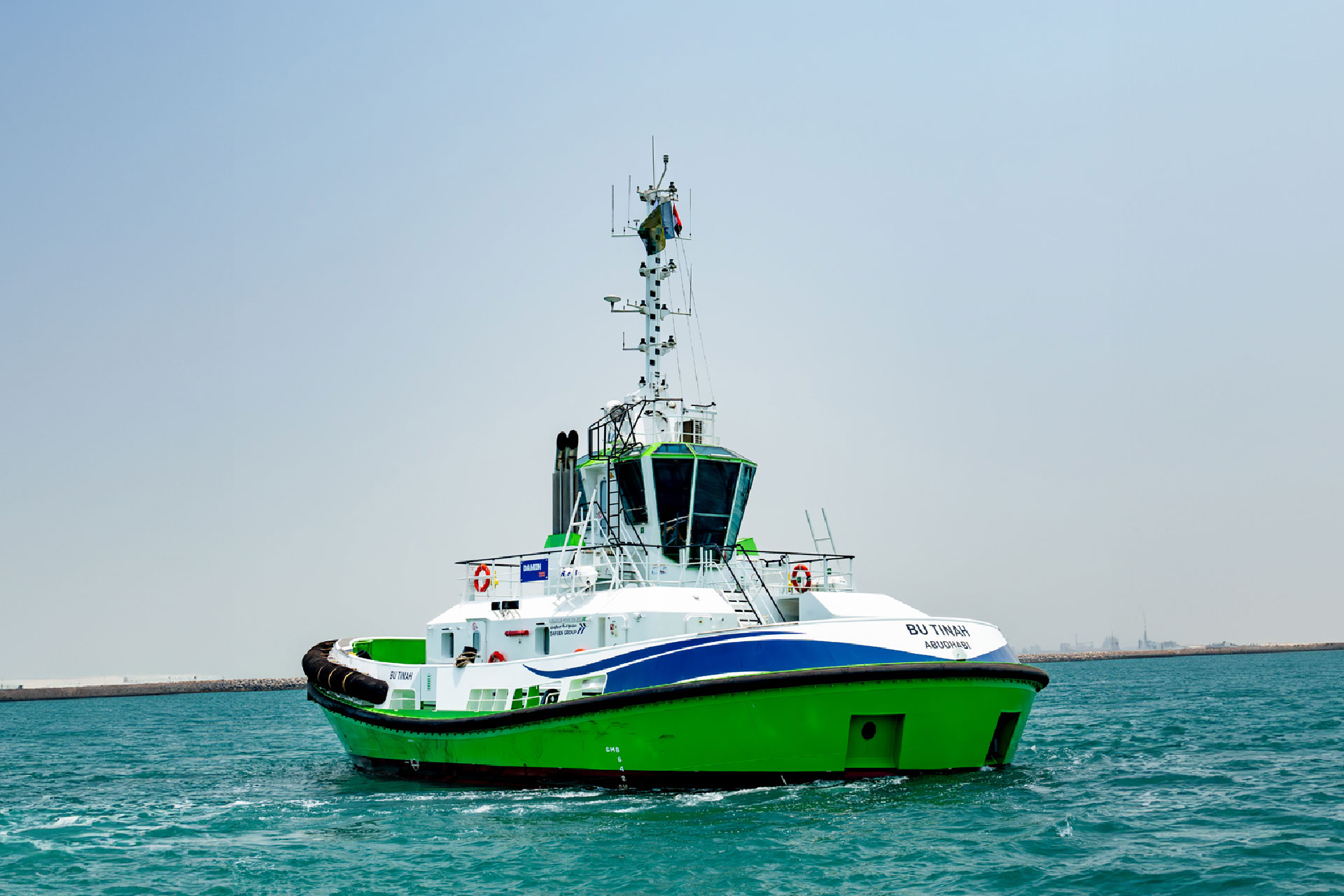
The First Ever Electric Tug In The Middle East
Adding the Damen RSD-E Tug 2513 to our marine services fleet exemplifies our dedication to sustainability. Named Bu Tinah, the electric tug holds the Guinness World Record™️ for the Most Powerful Electric Tugboat. With zero emissions from "Tank to Propeller" and a 70-tonne bollard pull, it maximises operational efficiency while minimising costs. Aligned with our electrification strategy, Bu Tinah has been deployed in Khalifa Port. Future plans include a shore facility at Khalifa Port capable of delivering 1.5 MW of power for charging.


